Nutrition & Supplements
The sports nutrition market is saturated with flashy marketing, proprietary blends and inflated claims. Our job is to cut through the noise with science-backed analysis and honest reviews of the products that actually deliver — whether you are looking for a simple post-workout whey shake, a high-quality plant-based protein or a complete multi-ingredient recovery formula.
Every supplement we feature on this page is a real, purchasable product available on Amazon.com with a verified ASIN and transparent ingredient list. We rank by protein quality, amino acid profile, third-party testing, value per serving and customer satisfaction.
Popular Guides in This Category
Best Protein Powders 2026 – Whey vs. Plant-Based
Our top-rated protein powder picks from Amazon, ranked by amino acid profile, taste, mixability and cost per serving.
ArticleThe 5 Best Supplements for Fitness Beginners
Which supplements are actually worth buying when you are just starting out — and which to skip entirely.
Our Top Supplement Picks
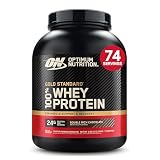
Optimum Nutrition Gold Standard Whey – Double Rich Chocolate 5 lb
$54.99
maßgeblich ist der aktuelle Preis auf Amazon
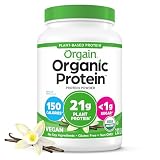
Orgain Organic Vegan Protein – Vanilla Bean 2.03 lb
$27.99
maßgeblich ist der aktuelle Preis auf Amazon
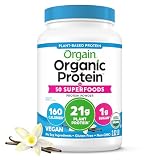
Orgain Organic Protein + 50 Superfoods – Vanilla Bean 2.02 lb
$38.99
maßgeblich ist der aktuelle Preis auf Amazon
What to Look for in a Protein Powder
Protein per serving and amino acid profile
Aim for products delivering at least 20g of protein per serving. More important than the total gram count is the amino acid profile — specifically the content of leucine, which triggers muscle protein synthesis. Whey naturally contains high levels of leucine (around 11%). Quality plant blends compensate by blending complementary proteins (pea, rice, hemp) to achieve a similar full spectrum.
Third-party testing and label accuracy
Look for NSF Certified for Sport, Informed Sport, or Banned Substances Control Group (BSCG) certification seals. These indicate independent testing for label accuracy and absence of contaminants. Optimum Nutrition Gold Standard carries third-party certification and is one of the most verified supplements on the market.
Cost per serving
Divide the total price by the number of servings — not the package price alone. A 5 lb Optimum Nutrition container at $54.99 with ~73 servings works out to roughly $0.75 per serving, which is excellent value for whey. Some premium plant proteins cost $1.50-2.00 per serving but justify this with organic ingredients and broader micronutrient content.